Signs of Hidden Mold in Carpet and What to Do Next
How to Tell If Mold Is Growing Under Your Carpet
The short answer: you can often detect hidden carpet mold by using your senses and a few simple checks. Look for subtle discoloration or staining on the carpet surface, especially near walls or in low-traffic areas. Sniff for a musty or earthy smell that grows stronger when the room is closed up. Press down on the carpet with your hand or a heavy object; if the padding feels damp or spongy, moisture has likely been trapped underneath. These signs point to a mold problem that may require professional carpet mold removal.
Why Mold Under Carpet Is Hard to Spot
Carpet acts as a cover. Mold can colonize the backing and padding long before it shows on the surface. The fibers on top might look clean while the material below is already breaking down. This is especially true for thicker carpets and those installed over concrete slabs, where moisture can wick upward from the subfloor. The problem often starts small, such as a spill that was not fully dried, a slow plumbing leak, or high indoor humidity that condenses on a cold floor. By the time you see visible mold on top, the contamination below may be extensive. Carpet Mold Removal Services Pros carpet mold inspection
Common Signs That Mold Is Lurking Below
Musty odor that lingers
A persistent musty smell is usually the first clue. Mold releases microbial volatile organic compounds as it grows, and these produce a distinct earthy or sour odor. If the smell becomes stronger after rain or when the heating or cooling system runs, moisture is likely feeding growth under the carpet. A room that smells fine when aired out but develops the odor after being closed for a few hours is a strong indicator of hidden mold.
Discoloration or staining on the carpet surface
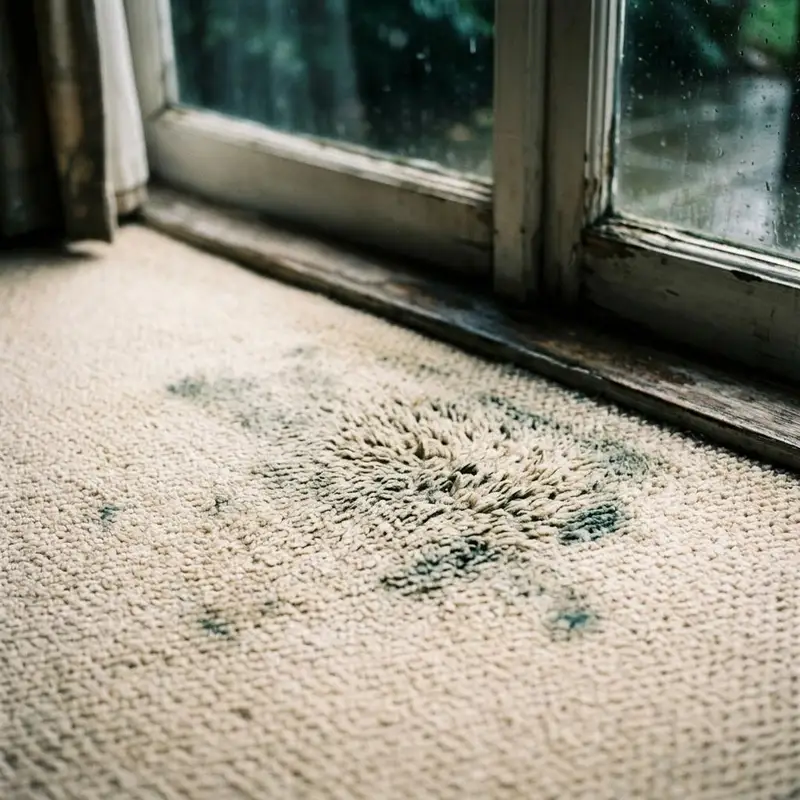
Look for yellowing, brown spots, or dark patches that appear near baseboards, under furniture, or along seams. These marks can be caused by the breakdown of carpet backing or by mold pigments migrating upward. If the carpet has been cleaned recently and the stains return quickly, moisture and mold are probably present below.
Spongy or damp carpet padding
Press your hand firmly into the carpet in several spots. If the padding feels wet, tacky, or softer than surrounding areas, there is trapped moisture. Carpet padding acts like a sponge; once it gets wet, it holds water against the backing and creates ideal conditions for mold. A moisture meter, available at hardware stores, can give a more objective reading, but hand pressure works as an initial check.
Peeling baseboards or bubbling paint on nearby walls
Mold under carpet often comes with excess moisture that migrates into adjacent surfaces. Check the bottom edge of baseboards and the wall above them. If the paint is bubbling, the baseboard is warped, or the drywall feels soft a few inches up, moisture is traveling from the floor into the wall. This is a sign that the mold problem is not limited to the carpet alone.
Allergic reactions or worsened respiratory symptoms
If you or others in the space start experiencing sneezing, watery eyes, coughing, or headaches that improve when you leave the room, hidden mold may be the trigger. Mold spores become airborne when the carpet is walked on or when the HVAC system runs. People with asthma or mold allergies are especially sensitive. While this sign does not confirm mold under the carpet, it is reason to investigate further.
What Happens If You Ignore It
Mold under carpet does not stay contained. It can spread into the subfloor, underlayment, and even into the walls. Over time, the organic material in carpet backing and padding provides a continuous food source, so the colony expands. The structural components of the floor may weaken, and the indoor air quality can degrade significantly. Professional carpet mold removal becomes more complex and costly the longer the mold is allowed to grow.
How to Confirm Mold Without Pulling Up the Whole Carpet
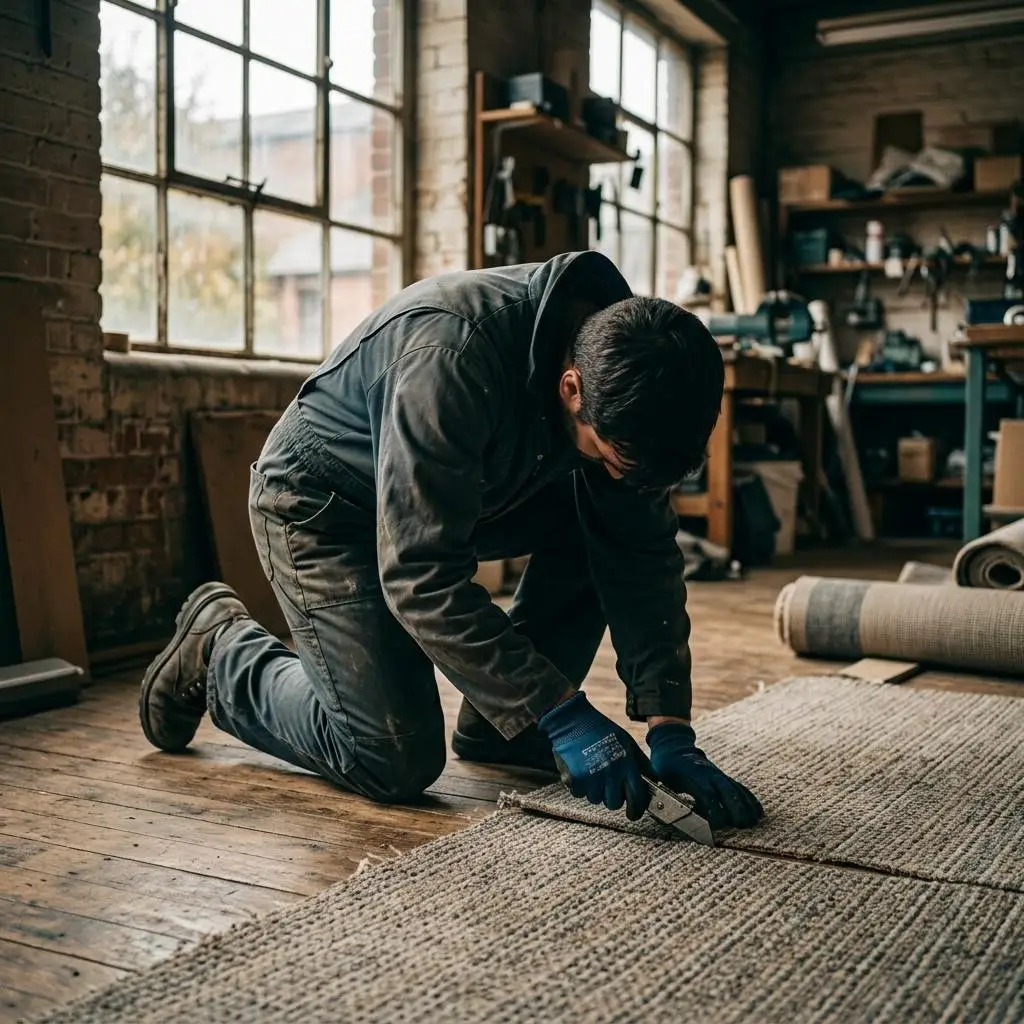
If you suspect mold but want to be sure before tearing out the carpet, you can take a small sample. Lift a corner of the carpet near a wall or in a closet, where it is less noticeable. Use a utility knife to cut a small square of carpet and padding, about two inches by two inches. Check the underside of the carpet and the top of the padding for black, green, or white fuzzy growth. If you see or smell mold, you have confirmed the problem. If the area looks clean but smells musty, the mold may be in the padding or subfloor below. A professional inspection is the next logical step.
For a thorough assessment, Carpet Mold Removal Services Pros carpet mold inspection can identify the extent of contamination and pinpoint moisture sources that are not obvious from a surface check. Their trained eyes know where to look, such as along tack strips, under furniture, and in areas near exterior walls where condensation tends to form. This type of inspection often uses moisture meters and borescopes to see behind baseboards and under the carpet without cutting large sections.
When to Call for Professional Help
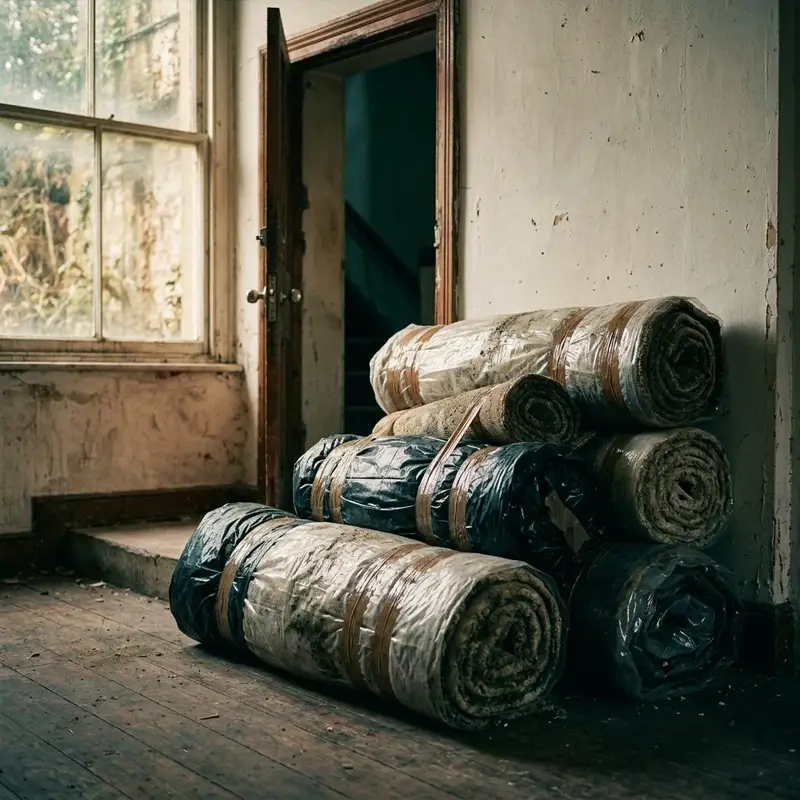
Small patches of surface mold on hard flooring can sometimes be cleaned by a homeowner, but mold under carpet is a different situation. The porous nature of carpet and padding means that mold can penetrate deep into the material, and simply cleaning the surface will not remove the contamination. In most cases, the affected carpet and padding need to be removed and replaced. The underlying subfloor also needs to be dried and treated. Without proper containment, removal can release large numbers of spores into the air, spreading the problem to other rooms.
If you have confirmed mold under the carpet, or if the signs listed above are present and you cannot find the source of moisture, it is time to involve a specialist. Carpet Mold Removal Services Pros carpet mold inspection gives you a clear picture of what you are dealing with and what steps are needed. They can also advise on drying the structure, improving ventilation, and preventing future moisture issues. The goal is not just to remove the visible mold but to correct the conditions that allowed it to grow in the first place.
Preventing Mold Under Carpet in the Future
Once the mold is gone and the affected materials are replaced, prevention depends on moisture control. Keep indoor humidity below 60 percent, ideally between 30 and 50 percent. Use exhaust fans in bathrooms and kitchens, and run a dehumidifier in damp basements. Fix any plumbing leaks promptly, and avoid installing carpet over concrete slabs without a proper vapor barrier. If you live in a humid climate or have a basement, consider using area rugs that can be lifted and dried rather than wall-to-wall carpet. Regular inspections, especially after water damage or high humidity periods, can catch small issues before they become major mold problems.
Knowing how to tell whether carpet has mold beneath the surface is the first step toward protecting your indoor environment. Trust your senses, check the common signs, and do not hesitate to call for professional carpet mold removal when the situation calls for it. Acting quickly saves time, money, and your health.